Does Massage Have to Hurt? How to Ask for Comfortable Pressure
Ojisan Relaxing Station Team · · 5 min read

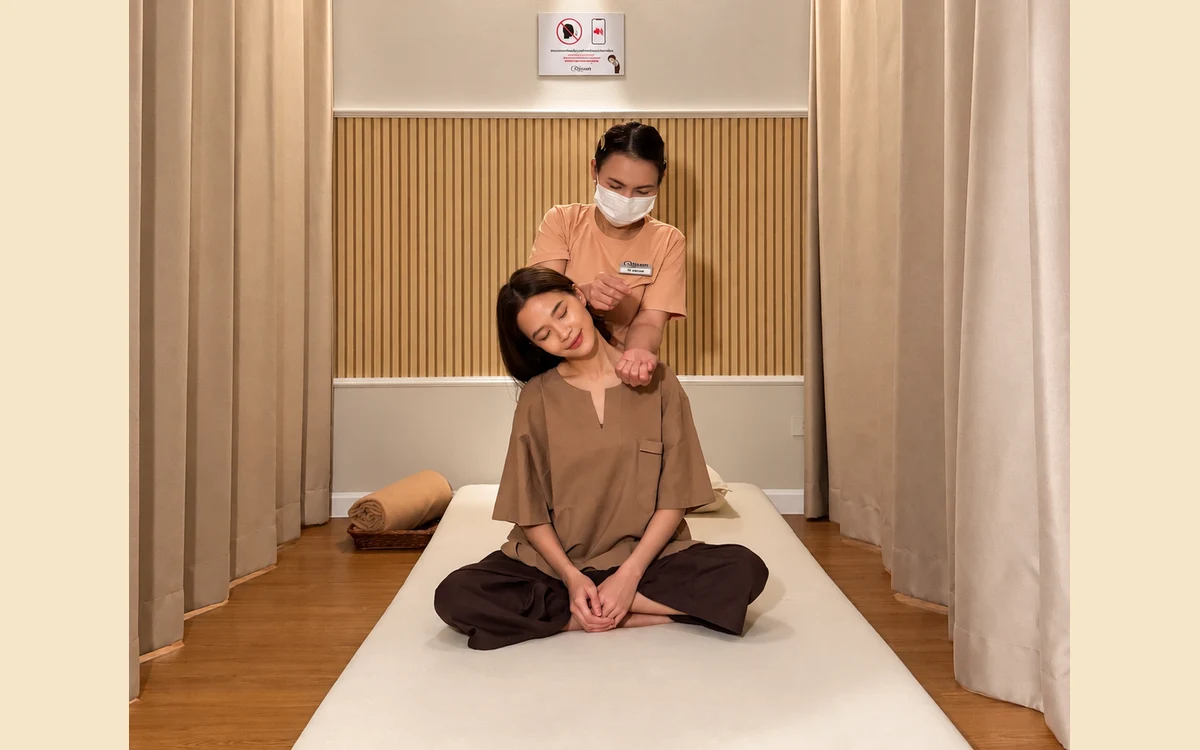
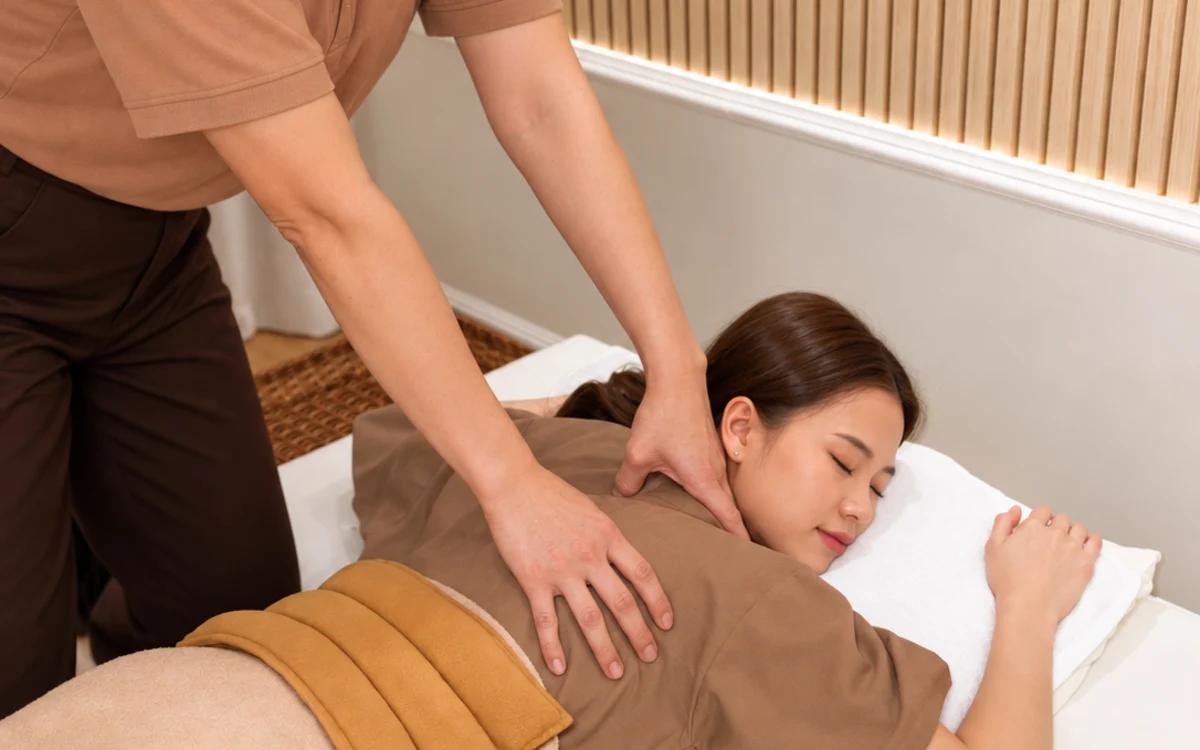
Massage does not have to hurt to count as good massage. If you are tensing, holding your breath, or waiting for a painful part to be over, ask for an adjustment rather than trying to endure it until the time is up.
Enjoying firm pressure is a personal preference, not a measure of quality. Two people can prefer different levels, and one person may want something different on another day. The aim is to help the person caring for you understand what feels comfortable now.
Your “Just Right” May Differ from Someone Else’s
Light, medium, and firm are useful starting points, but they do not describe everything. Saying you want the same pressure as last time may not help a therapist who was not there. Use your experience during today’s session to fine-tune it.
You might like firm work on your legs but lighter work on your shoulders, or be comfortable overall except for one movement. Area-specific requests are clearer than saying the entire session is too strong. If you do not know your preference, ask to start light and adjust together.
Say Where, How It Feels, and What You Want Changed
Instead of only saying it hurts, add the area and the change you want: the right shoulder feels too strong, please go lighter; or this pressure on my legs is fine, please keep it. Naming the location takes the guesswork out of your request.
Numbers are optional. If a scale helps both of you understand each other, use it as shared language, not a quality score or a target to keep increasing. “A little lighter” followed by “that is comfortable” can be clearer.
The lines below are examples to use during a session, not reviews or accounts from real guests.
Speak Up Straight Away, Without Waiting to Be Asked
It can feel awkward to interrupt, but your feedback helps make the session fit you. You can say “lighter, please” immediately. You do not need to wait for a change of position, apologise at length, or explain why you want less pressure today.
If the position rather than the pressure is uncomfortable, say that directly: “This position does not feel comfortable; can we change it?” Do not stay in a position simply because the pressure itself is not strong. These are two different adjustments.
If you want to stop, say “Please stop for a moment” clearly rather than hinting in a way that could be understood as a request for less pressure. Once stopped, discuss whether to change the approach or end the session.
Firm Is a Preference, Not Something to Prove
It is fine to prefer firm pressure. That does not mean every area must tolerate it, or that going lighter makes the visit poor value. You are making time for care, not entering a competition over what you can endure.
If you prefer light pressure, you do not need to accept more because someone says light massage does nothing. Comfort, respect for areas you do not want touched, and listening to requests should be things you can discuss without enduring pain.
Do not treat bruising or soreness afterwards as proof of a successful service, or aim for those sensations as evidence that enough was done. This guide does not use pain to assess medical outcomes.
If Adjusting Still Feels Uncomfortable, Stop and Talk
Lighter pressure may still not feel comfortable. You can ask to skip an area or pause the service. There is no need to keep trying because you think you will get used to it, or to accept repeated pressure to find out why it hurts.
If a sensation worries you or relates to a medical problem, do not use massage to investigate its cause. Speak with your health care provider before returning. Massage can involve risks even when you have not chosen the firmest pressure.
You do not need to decide from an article which sensations are definitely safe. Stop when uncomfortable, describe what happened honestly, and seek advice from your health care provider if unsure.
Remember Preferences as a Starting Point for Next Time
Afterwards, remember which areas felt comfortable, which needed less pressure, and any positions to avoid. You do not need a detailed health diary. A simple note such as “medium overall, lighter on the left shoulder” can make your next conversation easier.
Last time is only a starting point, not a rule. If you feel different today, say so. If you see a different therapist, explain again rather than expecting everyone to know without a conversation.
Before your first booking, you can already say you would like to start light and adjust during the session. You do not need to wait until you are on the massage bed, or select a different menu solely because you prefer a different pressure from someone else.
Start with Pressure You Feel Comfortable With
If firmness concerns you, choose your branch and say you would like to start light, mentioning any areas needing care. Check the current menu before deciding.
Health note: massage can involve risks. This is not a diagnosis or medical advice. Do not use massage to replace or delay seeing a health care provider about a medical problem. If unsure whether massage is appropriate for you, consult your health care provider first. Source: NCCIH, Massage Therapy: What You Need to Know.