Neck and Shoulder Fatigue after Desk Work: What to Tell Your Therapist
Ojisan Relaxing Station Team · · 5 min read
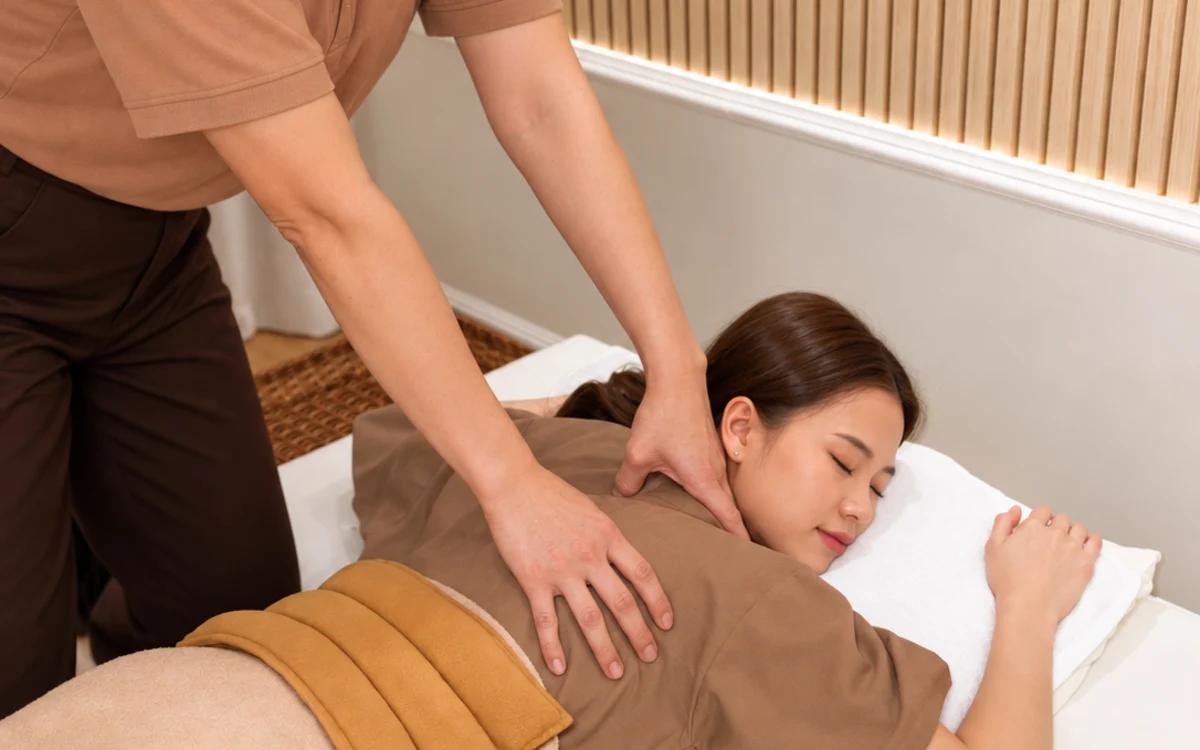
After a long day at a desk, you may want a massage because your shoulders feel tired. But “tired from work” is still broad. A little more detail before booking makes it easier to discuss your priorities and comfort.
There is no need to label yourself with office syndrome or assume everyone who works at a screen has the same cause. This guide helps you explain your needs for a relaxing visit. It is not a disease assessment or treatment plan.
Describe Activities, Not Just Your Job Title
Office work can mean meetings, typing, using a mouse, phone calls, or walking around all day. Describe what you have been doing frequently and roughly for how long. Include relevant activities outside work, such as driving or carrying things.
You do not need an hourly log. Use details you remember and say when they are estimates. If you do not know whether something is related, mention it without declaring it the cause. A shared job title should not automatically lead to an identical session.
Activity information supports a conversation about care. It does not establish that a posture caused a problem or justify particularly strong pressure there.
Name the Location and When You Noticed It
Say whether it is the left shoulder, right shoulder, or another area you can describe. You can point without asking someone to press it as a test. Mention when you first noticed the feeling: today, or on and off over a longer period.
Use your own words, such as tired, tight, or uncomfortable. You do not need medical vocabulary or a complete answer to every question. Saying you do not remember when it began is more honest than guessing.
If a feeling is new, different, or worrying enough to make you unsure about massage, ask your health care provider first. Do not use a trial massage to investigate the cause or let a massage appointment delay medical care.
Name Areas to Avoid, Even Near the Area You Want Covered
Wanting shoulder care does not mean consenting to every part of the neck or shoulder being touched. Identify areas to skip before starting, or say you do not want your neck moved. You do not need to prove there is a problem to make that request.
Mention uncomfortable positions too, such as not wanting to lie face down for long, or wanting notice before changing position. Ask the team to explain options within the service. You do not have to accept a position because you assume it is compulsory.
This guide does not recommend neck manipulation, pressure-point techniques, or asking someone to press around for sore spots before your visit. Prepare an explanation, not the results of a self-test.
Choose a Goal You Can Discuss and Adjust
Wanting time to rest, making the shoulders a priority, or starting light and adjusting gives the team a clearer basis for planning than “please fix it.” A relaxation goal does not need to become a promise of treatment.
If several areas matter, such as shoulders and legs, prioritise them and ask about timing. A neck and shoulder menu does not automatically include everything. Check the branch’s actual menu and do not confuse it with OJI Recovery, which is still coming soon.
If a health concern is the main reason you are seeking help, start with an appropriate health care provider rather than leaving questions about diagnosis to a massage menu choice.
Use a Short Message as a Framework
Put activities, location, onset, areas to avoid, and expectations in that order. This covers useful details without sending a long personal history in a chat. Add relevant guidance from your health care provider if you have it.
The following conversation was written as an example. It is not a real customer account or a diagnosis by the shop.
You Can Change What You Said When Booking
If you feel different on arrival, or discover you want lighter pressure than expected, say so. Pre-booking information is not a fixed instruction. You do not need to endure something because you previously said firm pressure was fine.
You can say the pressure is comfortable overall but should be lighter on one shoulder, or ask to skip an area. Ask clearly to stop if needed rather than waiting out the session. For a worrying sensation, stop and consult a health professional instead of repeating pressure to identify the cause.
Remembering comfortable areas and pressure can help next time. But a single session should not be used to conclude that a cause has been found or a condition treated. This guide is about rest and a service where you can communicate.
- What activities have you been doing frequently?
- Where do you feel it, on which side, and when did you notice it?
- Which areas or positions should be avoided?
- What kind of rest do you want, and what pressure would you like to start with?
Describe Your Working Day and Ask About the Menus
Explore current menus and promotions, then choose a branch to discuss your focus areas. If you are unsure about a health issue, consult your health care provider before booking.
Health note: massage can involve risks. This is not a diagnosis or medical advice. Do not use massage to replace or delay seeing a health care provider about a medical problem. If unsure whether massage is appropriate for you, consult your health care provider first. Source: NCCIH, Massage Therapy: What You Need to Know.